
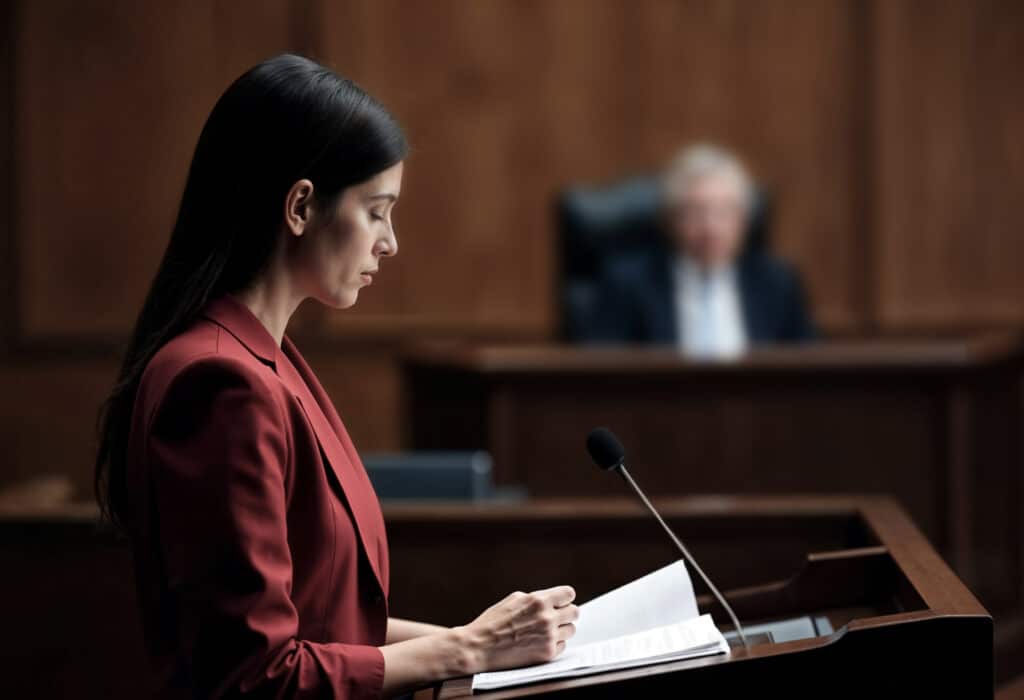
A witness sits in the deposition room, fluent in Spanish but struggling with legal English. A defendant in court can’t fully comprehend the proceedings against them. An attorney needs to communicate a complex legal strategy to a client who speaks Mandarin.
These scenarios play out daily in St. Paul’s legal system, and they all require the same critical resource: qualified interpreters in St. Paul, MN who specialize in these settings.
The difference between a qualified legal interpreter and someone who simply speaks two languages can mean the difference between due process and miscommunication with serious consequences.
Why Legal Interpretation Requires Specialized Skills
Speaking multiple languages doesn’t automatically qualify someone for legal interpretation. Court proceedings, depositions, and consultations involve technical terminology, complex concepts, and ethical obligations that demand specialized training and experience.
Legal Vocabulary Mastery
Legal proceedings rely on precise terminology where subtle word differences carry significant meaning. Terms like “liable” versus “guilty,” “testimony” versus “statement,” or “motion” in a legal versus everyday context require interpreters who understand these distinctions in both languages.
A qualified interpreter must accurately convey not just the general meaning but the specific legal implications of every word spoken.
Simultaneous and Consecutive Interpretation
Court interpreters work in different modes depending on the proceeding. Simultaneous interpretation requires interpreting in real-time as someone speaks—a skill demanding intense concentration and linguistic agility. Consecutive interpretation involves listening to complete thoughts before interpreting them.
Both modes require extensive training and practice to master, particularly in high-stakes legal environments where accuracy is paramount.
Ethical Standards and Confidentiality
Legal interpreters operate under strict ethical codes. They must interpret accurately without adding, omitting, or altering meaning based on personal opinions or judgments. They’re bound by the same confidentiality requirements as other law professionals, ensuring the protection of sensitive case information.
These ethical obligations differentiate professional court interpreters from casual bilinguals who might help with everyday translation.
When Legal Proceedings Require Interpreters
Minnesota courts are required to provide qualified interpreters when a party or witness has limited English proficiency.
- Court Proceedings: Courts must provide certified interpreters to protect constitutional rights, ensuring all parties can understand charges and participate in their own defense.
- Discovery and Depositions: Effective representation requires interpreters during witness interviews and evidence gathering to prevent misunderstandings that could compromise a case.
- Attorney-Client Ethics: Lawyers have an affirmative ethical duty to ensure effective communication. Interpreters help attorneys explain complex strategies and ensure clients can give informed consent.
- Alternative Dispute Resolution: Interpretation is vital in mediations and arbitrations to ensure all parties can fully negotiate and understand the terms of a settlement.
Languages Commonly Needed in St. Paul Legal Settings
St. Paul’s diverse population creates demand for interpretation in numerous languages beyond Spanish, which remains the most frequently requested.
High-Demand Languages
- Spanish interpretation for depositions, court proceedings, and client meetings
- Hmong interpretation reflecting Minnesota’s significant Hmong community
- Somali interpretation for East African clients and witnesses
- Russian interpretation for Eastern European populations
- Vietnamese interpretation for Southeast Asian community members
Specialized Language Services
American Sign Language (ASL) interpretation serves Deaf and hard-of-hearing participants in legal proceedings. ASL interpreters require the same training and ethical standards as spoken language interpreters.
Less commonly spoken languages—from Mandarin and Cantonese to African and Eastern European languages- also require certified interpreters in legal settings. Professional court reporting firms maintain networks enabling them to source interpreters for a wide range of languages.
Remote vs. In-Person Interpretation
Technology has expanded interpretation options, particularly following the increased adoption of virtual court proceedings.
In-Person Interpretation Advantages
Traditional in-person interpretation allows interpreters to observe body language, read documents simultaneously with speakers, and manage the physical dynamics of courtrooms and deposition settings. For complex proceedings or sensitive matters, in-person interpretation often proves most effective.
Remote Interpretation Flexibility
Video and telephone interpretation provide access to interpreters regardless of geographic location. This flexibility benefits proceedings involving rare languages, urgent deadlines, or situations where scheduling in-person interpreters presents challenges.
Quality remote interpretation requires reliable technology, proper equipment, and interpreters trained in virtual platform protocols. When executed professionally, remote interpretation provides accuracy comparable to in-person services.
Qualifications That Matter
Not all interpreters meet the standards required for legal proceedings. Several factors distinguish qualified interpreters.
- Verified Credentials: Court-certified interpreters must pass rigorous exams testing language proficiency, law terminology, and interpreting skills. These credentials serve as objective proof of competency and reliability in high-stakes environments.
- Specialized Legal Experience: Working in courts requires deep familiarity with judicial procedures and the unique demands of trials and depositions. Experienced interpreters understand the gravity of their role and the precision required to maintain the record.
- Core Ethical Standards: Qualified professionals adhere to strict ethical codes, including total impartiality, strict confidentiality, and the duty to interpret accurately without adding, omitting, or editorializing any part of the message.
Working With a Court Reporting Firm
Law firms and professionals often access interpreter services through established court reporting firms that coordinate comprehensive legal support services.
Coordinated Services
Affiliated Court Reporters provides court interpreter services across Minnesota and Western Wisconsin. We also offer court reporting, videography, and remote deposition solutions, so everything can be scheduled through one team.
Our interpreters work regularly in St. Paul legal settings and are familiar with standards specific to Minnesota’s judicial system.
Quality Assurance
Established firms vet interpreters for professionalism, law vocabulary proficiency, and adherence to confidentiality standards. This screening ensures clients receive qualified professionals rather than risking proceedings with inadequately trained interpreters.
Language Access
Professional firms maintain networks enabling them to source interpreters for uncommon languages on short notice. Whether you need Spanish interpretation for tomorrow’s deposition or Somali interpretation for next week’s mediation, experienced firms can coordinate appropriate interpreters.
Planning for Interpretation Needs
Effective use of interpretation services requires planning and clear communication with your interpreter services provider.
- Early Coordination: Contact services early to secure availability and find specialists for rare languages or specific dates.
- Define the Setting: State whether you need an interpreter for court, a deposition, or a meeting, as each requires different skills.
- Specify Dialects: Identify the exact dialect needed (e.g., Mandarin vs. Cantonese) to ensure accurate communication and vocabulary.
Qualified Legal Interpreters For St. Paul Proceedings
When court proceedings demand accurate interpretation, professional services ensure every party is heard and understood without error or misunderstanding. Qualified interpreters protect constitutional rights, enable effective representation, and ensure legal processes serve justice.
Affiliated Court Reporters connects you with experienced interpreters for depositions, court proceedings, mediations, and attorney-client meetings throughout Minnesota and Western Wisconsin.